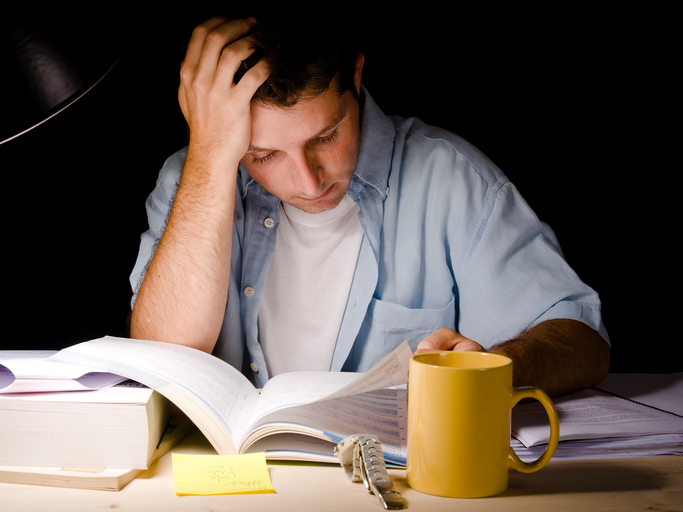
Exam stress is common. Almost every student feels it.
A little stress can help you focus. Too much stress does the opposite.
The good news? Exam stress is manageable. With the right habits, you can stay calm, confident, and in control.


6
What Is Exam Stress?
Exam stress is the feeling of pressure, fear, or anxiety before or during exams.
It usually comes from:
- Fear of failure
- Too much syllabus
- Lack of preparation
- High expectations
- Comparing yourself to others
Recognizing stress is the first step to reducing it.
Signs of Exam Stress
You may notice:
- Headaches or stomach pain
- Trouble sleeping
- Fast heartbeat
- Negative thoughts
- Difficulty concentrating
These signs mean your mind needs support—not punishment.
How to Reduce Exam Stress Effectively
1. Start Preparation Early
Last-minute studying increases panic.
Break the syllabus into small parts.
Study a little every day. Progress builds confidence.
2. Make a Simple Study Plan
A clear plan reduces confusion.
Your plan should include:
- Subjects per day
- Short study sessions
- Revision time
- Breaks
Keep it realistic. Not perfect.
3. Focus on One Thing at a Time
Multitasking increases stress.
Study one subject. One chapter. One concept.
Finish it. Then move on.
4. Practice What You Study
Reading is not enough.
- Solve questions
- Write answers
- Practice numericals
- Revise mistakes
Practice builds trust in yourself.
5. Take Short Breaks
Studying nonstop drains your brain.
Try:
- 25–30 minutes study
- 5–10 minutes break
Stand up. Stretch. Drink water.



6
6. Sleep Well
Sleep is not a waste of time.
Good sleep:
- Improves memory
- Reduces anxiety
- Sharpens focus
Aim for 7–8 hours, especially before exams.
7. Eat Light and Healthy
Heavy junk food increases tiredness.
Choose:
- Fruits
- Nuts
- Home-cooked meals
- Plenty of water
A healthy body supports a calm mind.
8. Stop Comparing Yourself
Comparison increases fear.
Everyone studies differently.
Everyone learns at a different pace.
Focus on your progress, not someone else’s marks.
9. Talk About Your Stress
Don’t keep stress inside.
Talk to:
- Parents
- Teachers
- Friends
Sharing reduces pressure instantly.
10. Practice Deep Breathing
Simple breathing can calm your nerves fast.
Try this:
- Inhale slowly for 4 seconds
- Hold for 4 seconds
- Exhale for 4 seconds
Repeat 5 times.
11. Revise Smart, Not Hard
Before exams:
- Revise key points
- Focus on formulas
- Read summaries
Avoid learning new topics at the last moment.
12. Stay Positive with Self-Talk
Replace negative thoughts.
Instead of:
- “I will fail”
Say:
- “I am prepared”
- “I will do my best”
Your mind listens to you.
What to Do on Exam Day
- Wake up early
- Eat something light
- Reach exam center on time
- Read the paper calmly
- Start with questions you know
Stay steady. Panic helps no one.
What NOT to Do Before Exams
Avoid:
- Late-night cramming
- Discussing syllabus outside the exam hall
- Overthinking results
- Listening to panic talk
Protect your mental space.
Remember This
- Exams test knowledge, not your worth
- One exam does not define your future
- Doing your best is enough
Confidence grows from calm preparation.
Final Thoughts
Learning how to reduce exam stress is just as important as studying.
When your mind is calm, your performance improves naturally.
Prepare steadily. Take care of yourself.
And trust the effort you’ve already put in.