Choosing a career is one of the biggest decisions in a student’s life. And it often starts much earlier than people think. School years shape interests, strengths, and confidence. The right guidance at the right time can reduce confusion and future regret.
This guide explains career guidance for school students in a clear, pressure-free way. No hype. Just practical direction.
Why Career Guidance Is Important in School
Many students choose careers based on marks, parents’ wishes, or peer pressure. That often leads to frustration later.
Good career guidance helps students:
- Understand their strengths and interests
- Explore multiple career options
- Make informed subject choices
- Build confidence in decisions
Career clarity doesn’t happen overnight. It develops step by step.
Start With Self-Understanding
Before looking at careers, students need to understand themselves.
Key questions to ask:
- What subjects do I enjoy?
- What am I naturally good at?
- Do I like working with people, data, or things?
- Do I prefer routine or creativity?
Interest matters as much as ability. Sometimes more.
Importance of Subject Choices
Subject selection in middle and secondary school affects future options.
Examples:
- Science opens paths to engineering, medicine, research
- Commerce leads to business, finance, economics
- Arts supports careers in law, design, writing, social sciences
Students should choose subjects based on interest and aptitude. Not just trends.
Exploring Career Options Early
Students should know that careers are not limited to a few popular choices.
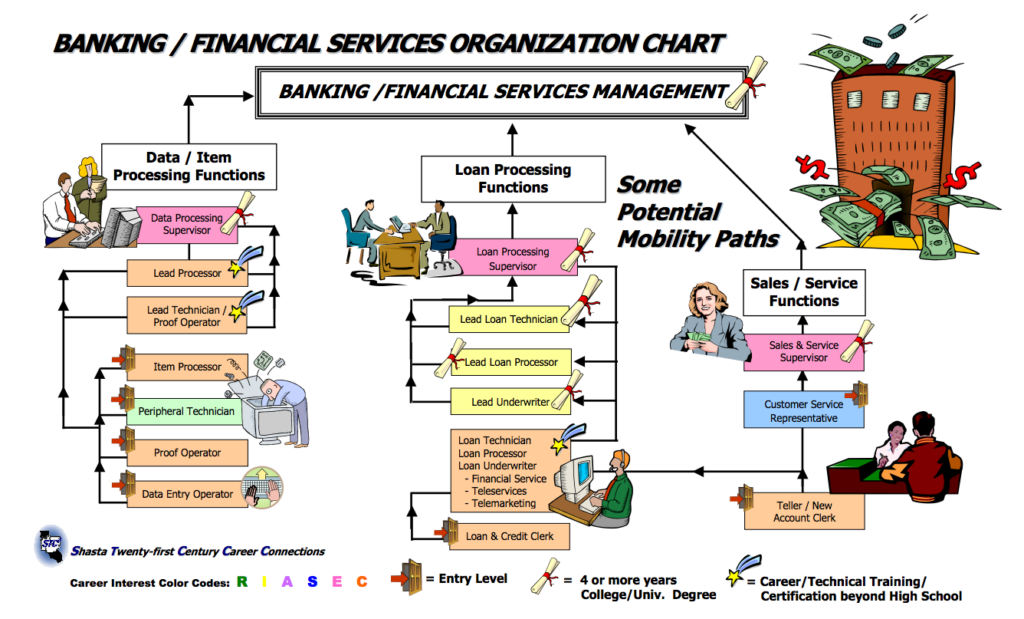
Career categories include:
- Science and technology
- Commerce and management
- Arts and humanities
- Vocational and skill-based careers
- Creative and digital fields
Early exposure helps students see possibilities beyond stereotypes.

4
Role of Parents in Career Guidance
Parents play a major role. Support matters more than control.
Helpful parent actions:
- Listen without judgment
- Encourage exploration
- Avoid constant comparison
- Support skill development
Guidance works best as a conversation, not a command.
Career Guidance by School Level
Middle School (Classes 6–8)
- Focus on curiosity and skills
- Encourage reading and exploration
- Observe interests and strengths
Secondary School (Classes 9–10)
- Subject-based career awareness
- Aptitude and interest tests
- Introduction to career pathways
Senior Secondary (Classes 11–12)
- Stream-specific guidance
- College and entrance exam planning
- Career backup options
Guidance should grow with the student.
Importance of Aptitude and Interest Tests
Career tests are not final answers. They are tools.
They help:
- Identify natural abilities
- Highlight hidden interests
- Suggest suitable career fields
Use them as direction, not decision-makers.
Skill Development Alongside Academics
Marks matter. But skills matter too.
Important skills for any career:
- Communication
- Problem-solving
- Time management
- Digital literacy
- Teamwork
Schools and parents should encourage activities beyond textbooks.
Dealing With Peer Pressure and Trends
Many students chase “popular” careers without understanding them.
Remind students:
- Every career has value
- Success looks different for everyone
- Trends change, skills stay
A career should fit the student. Not the crowd.
When to Seek Professional Career Counseling
Professional guidance helps when:
- Students feel confused or anxious
- Interests and marks don’t match
- Parents and students disagree
- Major decisions are approaching
Counselors bring clarity and neutral advice.
Common Career Guidance Mistakes to Avoid
- Forcing careers based on marks only
- Ignoring student interests
- Waiting until the last year
- Comparing with others constantly
Career planning is personal. One path doesn’t fit all.
Final Thoughts
Career guidance for school students is not about choosing a job early. It’s about building awareness, confidence, and direction over time.