Revising for exams can feel overwhelming. There’s too much to cover and never enough time. The good news is this: effective revision is not about studying more hours. It’s about using the right techniques.
This guide breaks down the best revision techniques for exams in a simple, practical way. These methods are proven to improve memory, focus, and confidence without burning you out.
Why Most Revision Fails
Many students revise the wrong way.
Common mistakes include:
- Re-reading notes again and again
- Highlighting everything
- Cramming the night before
- Studying without breaks
These feel productive but rarely work. Real learning needs effort, structure, and repetition.
1. Active Recall (The Most Powerful Technique)
Active recall means testing your memory instead of reviewing information passively.
Examples:
- Close your notes and write what you remember
- Answer practice questions
- Explain a topic out loud without notes
This forces your brain to work. And that’s how memory sticks.
Tip: If it feels hard, it’s working.
2. Spaced Repetition
Spaced repetition means revising the same topic multiple times over days or weeks.
Instead of:
- 5 hours in one day
Do this:
- 1 hour today
- 30 minutes in two days
- 20 minutes next week
This strengthens long-term memory and reduces last-minute stress.
3. Practice Past Papers Early
Past papers are gold. They show how questions are asked and what examiners expect.
How to use them:
- Start early, not just before exams
- Time yourself
- Mark answers honestly
This builds exam confidence and improves time management.
4. Blurting Method
Blurting is a simple but effective revision technique.
Steps:
- Read a topic
- Close the book
- Write everything you remember
- Check and fill gaps
Repeat until recall improves. It’s fast and brutally effective.
5. Teach Someone Else
Teaching forces clarity.
You can:
- Teach a friend
- Explain to a family member
- Pretend you’re teaching a class
If you can explain it simply, you understand it. If you can’t, revise that part again.
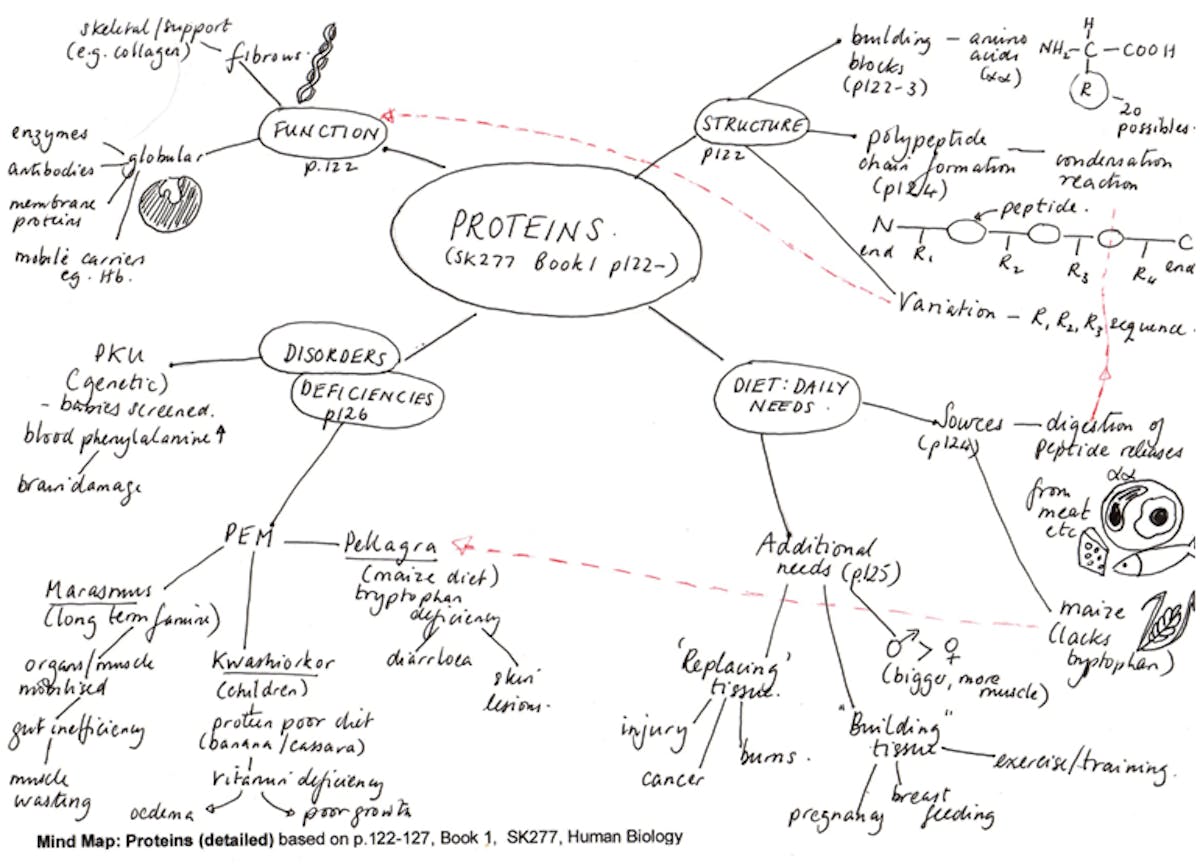
6. Mind Maps (But Use Them Correctly)
Mind maps work best after learning, not during first exposure.
Use them to:
- Summarize a topic
- Connect ideas
- See the big picture
Keep them simple. Too many colors and details reduce effectiveness.


4
7. Flashcards (With Rules)
Flashcards work well when used with active recall and spacing.
Best practices:
- One question per card
- Short answers
- Review regularly
Digital or paper both work. Consistency matters more than format.
8. Exam-Style Questions Over Notes
Once basics are covered, switch quickly to questions.
Why?
- Exams test application, not memory
- You learn how to structure answers
- Weak areas become obvious
Notes don’t expose gaps. Questions do.
9. Pomodoro Technique for Focus
Long study sessions reduce focus.
Try this:
- 25 minutes study
- 5 minutes break
- After 4 rounds, take a longer break
This keeps energy high and reduces burnout.
10. Create a Realistic Revision Timetable
A good timetable is flexible, not perfect.
Include:
- All subjects
- Short daily sessions
- Weekly review slots
- Rest days
Overloading leads to quitting. Sustainable plans win.
11. Mix Subjects (Interleaving)
Studying one subject all day feels productive but limits learning.
Better approach:
- Mix 2–3 subjects per day
- Switch topics every session
This improves problem-solving and keeps the brain alert.
12. Look After Sleep and Health
Revision fails without rest.
Remember:
- Sleep improves memory
- Short walks boost focus
- Water matters more than energy drinks
No technique beats a rested brain.
Final Thoughts
The best revision techniques for exams focus on effort, recall, and repetition. Not passive reading. Not endless highlighting.